
What are just three things you can do today to digest your meals better? Here they are!
1.) Add some spices. Ginger, black pepper, cardamom and other warming spices will help to break the food down and be absorbed properly once its in the small intestine. In Ayurveda you can look for’Trikitu’ — this is a special combination of ginger powder, black pepper and long pepper, also called ‘pippali’. Used since ancient times, this special three spice mix work excellent for stimulating the appetite and helping to break down foods, increasing the digestive fire and burning toxins. With maximum digestion and absorption, this means there is more energy and vitality in your body!
2.) Chew. Over 80 percent of digestion takes place in the mouth. We want to have our food pretty well broken down before it hits the stomach or our stomach will have to do the majority of the work — and that is not the stomachs primary job! If huge chunks are coming down the throat into the stomach, it is not only dangerous for a risk of choking, but will also create a lot of bloating, digestive discomfort, possible abdominal extension and an annoying belly-ache. We digest the food primarily in the mouth and that is why we have a tongue and teeth.
3. Eat when hungry. So many times people are snacking all day long, or they eat a big meal and after one hour, they eat again, even if not hungry. They are creating a traffic jam in their digestive system. We want to wait until the previous meal has moved out of the stomach and has at least started being absorbed into the small intestine. Something light just a piece of fruit is ok, but if you eat a huge healthy meal, you should not need to eat again for at least 4-5 hours.
Check to make sure you are eating when actually hungry and not just for emotional or stress-related reasons. Spending time in meditation and listening to your body will help you understand the difference between emotional eating and real hunger. Sometimes, for example, when we are nervous or cannot sit still, we feel like we need to munch. Recognizing our signs of anxiety can assist us in eliminating these kind of unwanted habits.
Doing everything with mindfulness will bring the body to peace.
Category: Ayurveda
Six tastes in Ayurveda
The 6 tastes in Ayurveda:
Salty (lavana)
Sweet (madhura)
Sour (amla)
Bitter (tikta)
Astrigent (kashaya)
Pungent (katu)
Vata benefits from: lavana, madhura and amla
Pitta benefits from: madhura, tikta and kashaya
Kapha benefits from: tikta, kashaya and katu
Right now spring season is coming for many parts of the world. It is a good time to decrease too many sweets and mucus forming foods and try to add more green vegetables, or bitter and astringent tastes.
This will help to detox the body from the past season, where you may have eaten more heavier foods. Adding spices will also help to boost your agni, or digestive fire, so you can burn the toxins easier. Burning toxins will give you more energy and let you get outside to enjoy some sunshine!
Best Foods for Kapha dosha

Best Foods for Kapha dosha:
Apples, cherries, grapes, peaches, pears, prunes, most pungent and bitter vegetables, barley, buckwheat, quinoa, corn, millet, oats, basmati, black beans, chick peas, all lentils, mung beans, peas.
Kapha should avoid too many sweet, salty or sour foods and avoid most dairy products and other heavy foods.
Coffee can be good for Kapha sometimes, since this will help a lazy or unmotivated Kapha person to have more energy.
It can also increase clarity when used in moderation.
Best Foods for Pitta Dosha
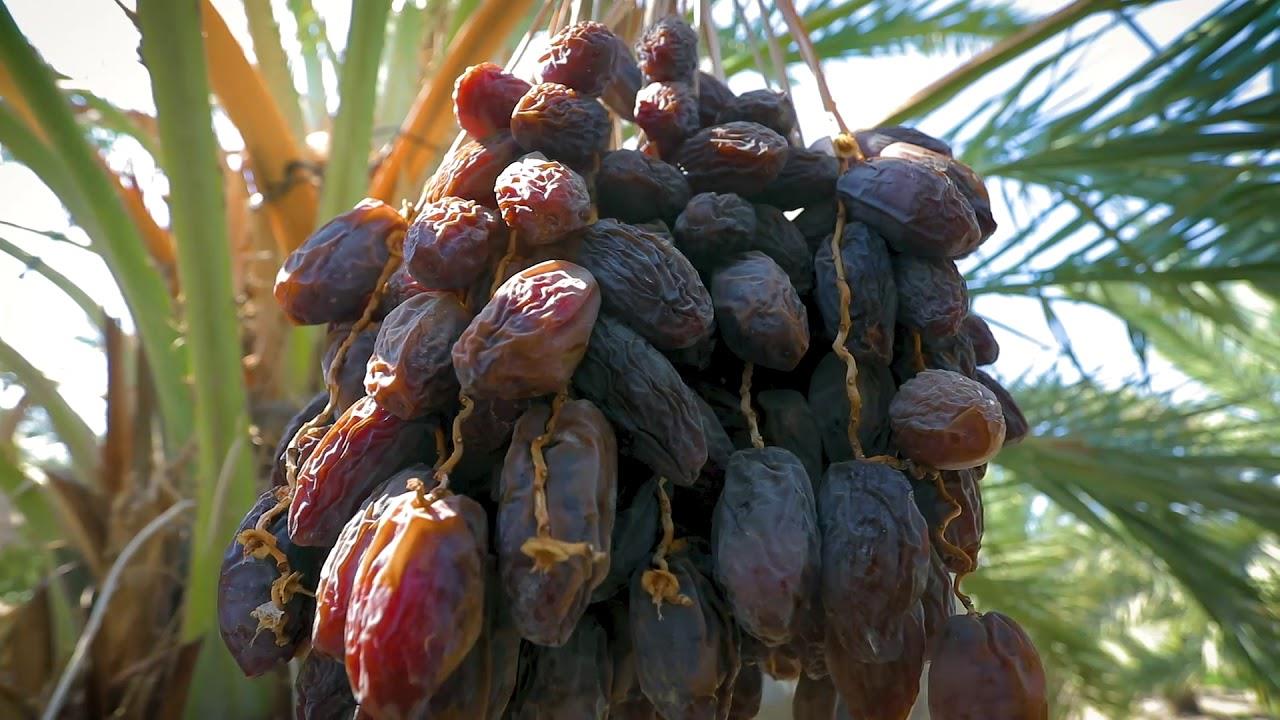
Best Foods for Pitta dosha:
Sweet fruits, dates and figs, melons, plums, prunes, most sweet and bitter vegetables, barley, granola, quinoa, cooked oats, basmati, wheat, black beans and chick peas, all lentils, soy milk, soy cheese, tofu, ghee, goats milk, almonds, flax, almond milk.
Pitta should avoid spicy foods or highly acidic foods.
Pitta should also avoid eating nuts because nuts will increase the oily quality in Pitta. It is preferred to eat almonds and coconut.
It is also best to avoid chocolate, coffee, too much red meat and alcohol.
Best foods for Vata Dosha
What are best foods for Vata dosha?
Vata should favor sweet, salty and sour foods!
Sweet fruit, banans, berries, grapes, lemons, sweet melons, peaches, plums, prunes and raisins (soaked).
Most cooked vegetables (Vata should favor cooked versus raw), asparagus, beets, carrots, onions, peas, sweet potato, pumpkin, spinach, summer squashes like zucchini.
Grains like amaranth (in moderation), cooked oats, quinoa, all rice (basmati, brown, white, wild) and wheat.
Legumes like red lentils, mung beans, tofu (in moderation) — Vata should be careful of beans, as this will increase vata creating gas and bloating – please soak beans and add salt to help break down)
If you take dairy: Most dairy is OK for Vata, however hard cheese can be difficult in digestion. If cow milk is uncomfortable, take goat milk.
All nuts are good in moderation.
Seeds: flax, pumpkin, sesame and sunflower.
Oils: ghee, sesame, olive and coconut oil can be used externally. Most other oils are suitable and can be used in moderation. Stay away from overly processed oils and purchase good quality.
Coffee will aggravate vata dosha, it will increase jumpy mind and anxiety, increase restlessness. Vata should avoid caffeine. If you are a coffee drinker, choose chicory substitute or barley coffee.
Avoid cold drinks, as this will increase cold quality in vata. Favor warming drinks, especially in fall – cinnamon tea is nice. Also herbal tea that will help with digestion can be licorice or fennel teas.
Sweeteners: Most all sweeteners are good for vata except refine white sugar (all doshas should avoid this) Maple syrup can be used occasionally.