Posted on Leave a comment

Six tastes in Ayurveda

Download8

The 6 tastes in Ayurveda:
 
Salty (lavana)
Sweet (madhura)
Sour (amla)
Bitter (tikta)
Astrigent (kashaya)
Pungent (katu)
 
Vata benefits from: lavana, madhura and amla
Pitta benefits from: madhura, tikta and kashaya
Kapha benefits from: tikta, kashaya and katu
 
Right now spring season is coming for many parts of the world. It is a good time to decrease too many sweets and mucus forming foods and try to add more green vegetables, or bitter and astringent tastes.
 
This will help to detox the body from the past season, where you may have eaten more heavier foods. Adding spices will also help to boost your agni, or digestive fire, so you can burn the toxins easier. Burning toxins will give you more energy and let you get outside to enjoy some sunshine!
 

Posted on Leave a comment

Best Foods for Kapha dosha

179181648 475676880518110 8271766826201473991 N
Best Foods for Kapha dosha:


Apples, cherries, grapes, peaches, pears, prunes, most pungent and bitter vegetables, barley, buckwheat, quinoa, corn, millet, oats, basmati, black beans, chick peas, all lentils, mung beans, peas.


Kapha should avoid too many sweet, salty or sour foods and avoid most dairy products and other heavy foods.


Coffee can be good for Kapha sometimes, since this will help a lazy or unmotivated Kapha person to have more energy.


It can also increase clarity when used in moderation.
Posted on Leave a comment

Best Foods for Pitta Dosha

179231299 475682857184179 7745285128428954826 N
Best Foods for Pitta dosha:


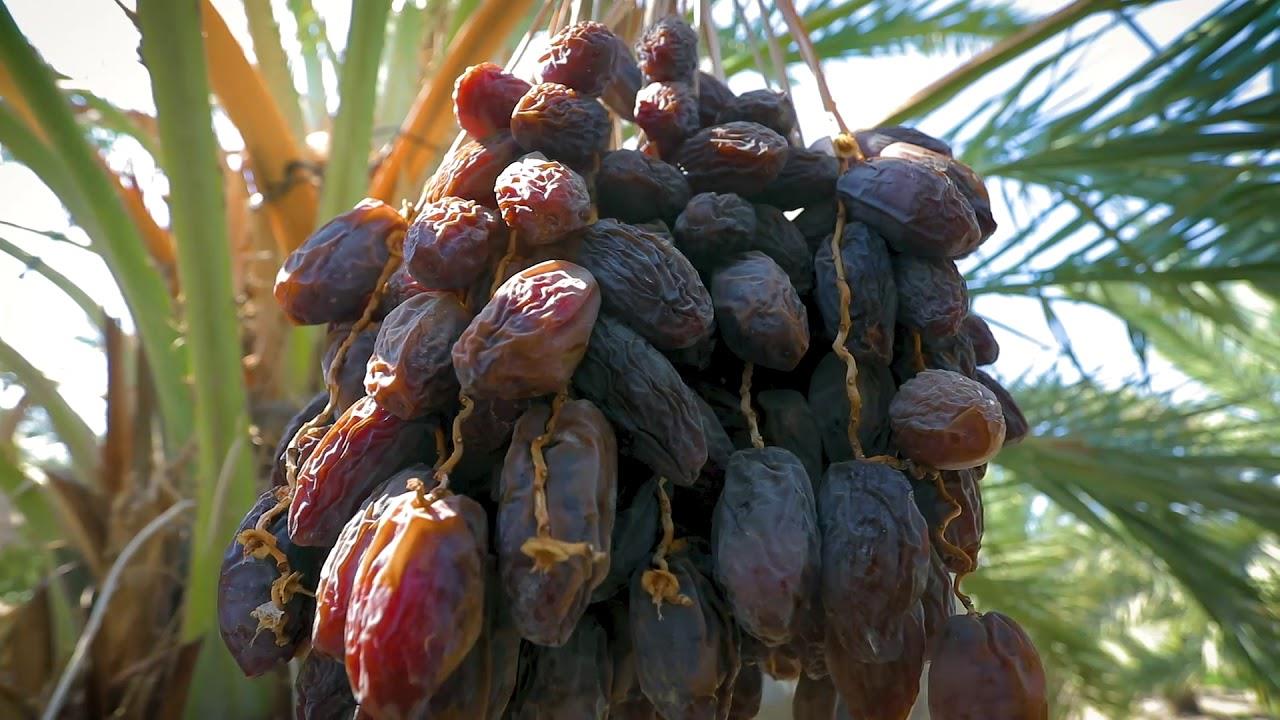
Sweet fruits, dates and figs, melons, plums, prunes, most sweet and bitter vegetables, barley, granola, quinoa, cooked oats, basmati, wheat, black beans and chick peas, all lentils, soy milk, soy cheese, tofu, ghee, goats milk, almonds, flax, almond milk.


Pitta should avoid spicy foods or highly acidic foods.


Pitta should also avoid eating nuts because nuts will increase the oily quality in Pitta. It is preferred to eat almonds and coconut.


It is also best to avoid chocolate, coffee, too much red meat and alcohol.


Posted on Leave a comment

Best foods for Vata Dosha

What are best foods for Vata dosha?


Vata should favor sweet, salty and sour foods!


Sweet fruit, banans, berries, grapes, lemons, sweet melons, peaches, plums, prunes and raisins (soaked).


Most cooked vegetables (Vata should favor cooked versus raw), asparagus, beets, carrots, onions, peas, sweet potato, pumpkin, spinach, summer squashes like zucchini.


Grains like amaranth (in moderation), cooked oats, quinoa, all rice (basmati, brown, white, wild) and wheat.


Legumes like red lentils, mung beans, tofu (in moderation) — Vata should be careful of beans, as this will increase vata creating gas and bloating – please soak beans and add salt to help break down)


If you take dairy: Most dairy is OK for Vata, however hard cheese can be difficult in digestion. If cow milk is uncomfortable, take goat milk.


All nuts are good in moderation.


Seeds: flax, pumpkin, sesame and sunflower.


Oils: ghee, sesame, olive and coconut oil can be used externally. Most other oils are suitable and can be used in moderation. Stay away from overly processed oils and purchase good quality.


Coffee will aggravate vata dosha, it will increase jumpy mind and anxiety, increase restlessness. Vata should avoid caffeine. If you are a coffee drinker, choose chicory substitute or barley coffee.


Avoid cold drinks, as this will increase cold quality in vata. Favor warming drinks, especially in fall – cinnamon tea is nice. Also herbal tea that will help with digestion can be licorice or fennel teas.


Sweeteners: Most all sweeteners are good for vata except refine white sugar (all doshas should avoid this) Maple syrup can be used occasionally.

 

Posted on Leave a comment

Yamas & Niyamas

Yamas: (external ethics)
ahimsa – non violence
satya – truth
asteya – non-stealing, responsibility
brahmacharya – celibacy, also meaning moderation
aparigraha – non attachment
Niyamas: (internal ethics)
saucha – purity
santosha – contentment
tapas – discipline
svadyaya – self-study
ishvara pranidhana – surrender to something higher