What yoga style?
Need some tips on how to choose your yoga style? Maybe you are just getting started and lost in the many different types of yoga there are. Maybe you are a seasoned yogi that wants to try some other styles. Maybe you just want to try them all before deciding what is right for you!
Internet searches are great for getting an idea of what you want. I suggest doing some research and then if you feel bold enough look for some yoga studios or gurus that you can try out a course with. Sometimes you can try the first time for free. Other times you may just have to pay the “drop-in” fee. Check different studios and find out their policies.
You can also find tons of videos on Youtube. Try to view some videos for a few minutes to see if you like the style or energy of the teacher. Not all Yoga is physical based yoga. Yoga simply means uniting or yoking ourselves spiritually to the One, or to our higher consciousness and there are different ways of doing this. It may be physically based, but can also be heart, or emotionally based or even intellectually, through the mind, based. Many times you will find yourselves overlapping different paths, such as having a regular Vinyasa practice while studying Yoga Philosophy.
Start by asking yourself some questions as to what kind of practice you want.
- Do I want an energetic practice?
- Do I want a slower practice?
- Do I want to incorporate meditation and breathing techniques?
- Am I comfortable in a group setting or would I prefer private lessons?
- Do I feel comfortable in a mixed group with different sexes / ages or do I prefer to stay with people in my own sex / age group?
- What is my ultimate goal? Getting fit and loosing weight? Eliminating stress and tension? Having better focus and concentration? Releasing emotional blockages? Finding a spiritual connection? Reaching higher consciousness? Recovering from a surgery or medical illness? Realize my true nature? Or do I just want to meet more people?
- Do I want a physical practice or a meditation only based practice?
Asking yourself questions at the beginning can help you to hone in on a particular style. Here are some you may already be familiar with:
 Ashtanga. Made famous by Patthabi Jois, this yoga is very intensive. There are 6 series: Primary, Intermediate and Advanced, whereas the Advanced is divided further into 3 parts. This is the Yoga for you if you a.) want a physically demanding practice, b.) like to always do the same routine, c.) like to be challenged and reach milestones, like getting to the next level.
Hatha Yoga. Hatha is one of six branches of Yoga. The branches include Hatha, Jnana, Raja, Karma, Bhakti and Tantra Yoga. Hatha is a segue into other physical types of Yoga currently known to most of the Western World, as many other schools of “yogic” thought have taken the physical postures from Hatha and incorporated them into other yoga practices. Hatha in itself is great for people that want more static movements. It advances you from one position to the next without too many dynamic movements. It also incorporates different breathing techniques and cleansing techniques. If you want more of a practice that is a mix of everything, try a Hatha class.
Vinyasa Flow Yoga. Ashtanga inspired, Vinyasa means linking together the breath with the movement. If you like to have a more dynamic practice try to find a place that does a Vinyasa Flow. In Vinyasa there is much focus on connecting the breath to the movement. If you enjoy dynamic practices like any type of dancing or ballet, gymnastics or figure skating, this could be the type of practice you may like.
Power Yoga. Sometimes Vinyasa and Power yoga are thought to be the same, although power yoga can be more along the lines of pilates and movements are concentrated on the body. Power yoga is less concerned on the connection of breath and movement, but many of the positions are the same you would find in traditional yoga. Just as in Vinyasa, Power yoga is also Ashtanga inspired. If you like to go to the gym, enjoy pilates or even weight lifting, you might want to give Power Yoga a try.
 Iyengar Yoga. Iyengar is a fascinating person and he made a name for himself in the yoga community after many hard years of work. Iyengar uses props in his yoga and there is no certificate that can be obtained. One is considered to be Iyengar certified only after years of practice. If you like to use props in your practice, such as ropes, blocks, or chairs you may want to give Iyengar Yoga a try.
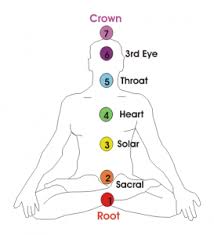
Kundalini Yoga. Designed to “awaken” the Kundalini, which is the dormant serpent power lying at the bottom of our spine. It is said once the Kundalini is awakened we will gain superpowers. It focuses on the energy body and breath. Included are physical movements that are done in rather static positions, but the movements are held longer with sometimes fast repetitions. It helps to awaken the energy around the physical body. If you like to have more concentration on awakening dormant energies, aligning the chakras and being aware of your energy body this could be a good practice for you.
Restorative Yoga. This is great if you want to focus on deep stretching. Restorative, sometimes called Yin yoga, is where you may hold the positions for 10 minutes at a time and it is focus on completely letting go and relaxing. If you just want to recuperate after a long day and target specific muscles some restorative poses may bode you well.
Other Branches of Yoga
Raja Yoga. Raja yoga means Royal Yoga. Meditation is the main focus point of this yoga and it focuses on all 8 limbs / branches of Yoga. If you prefer a more meditative practice and like to spend time alone, this could be a good path for you.
 Jnana Yoga. This is the path of the mind; the intellect. Following this path of yoga takes you to wisdom and knowledge; the truth. It is considered the most difficult path to follow and requires serious study. Religious scholars could be said to follow this path, as are sages or monks. If you like to read about different religions and enjoy eastern philosophy or western mysticism, you may already be on the path to being a Jnana Yogi.
Bhakti Yoga. Bhakti yoga is also devotional yoga. This means devotion in all aspects. Mother Theresa or Ghandi could be considered Bhakti yogis. Devotion is done through the heart chakra making it a great way to release negative emotions and open your heart to be more compassionate and empathetic with others. If you think with your heart and see the divine nature in all beings, then you are already practicing Bhakti Yoga.
Karma Yoga. The names gives it away. Karma Yoga is simply doing for others and helping where you can. It is the self-less acts that we do everyday that can improve our karma. Sometimes we may volunteer at a food pantry or help with a book donation drive. We may regularly help elderly people with their grocery shopping. Whatever it is, it will be out of love and completely self-less, not expecting anything else in return. If you have ever donated your time to a cause or a person then you have done Karma Yoga.
 Tantra Yoga. Most people think of sex when they hear about Tantra Yoga. This is a misconception, however, since Tantra Yoga focuses simply on rituals or celebrations. Sex can be viewed as a ritual by many and hence that aspect of it has been most pronounced. Many who practice Tantra yoga, however, are actually celibate. Tantra Yoga is the most esoteric yoga and relates most to those that work with the Shakti, or feminine energy and Shiva being the masculine energy. It focuses on reaching higher consciousness through numerology, astrology, chemistry, physics, astromony, psychology, alchemy, geometry or Ayruveda and other truth-seeking channels. If you find yourself in a position where you need to “deprogram” your subconscious mind and want some tools to “reprogram” your subconscious, then you may want to look into Tantra Yoga for a deeper understanding.
I hope this info helps out in your Yoga Journey, Namaste!